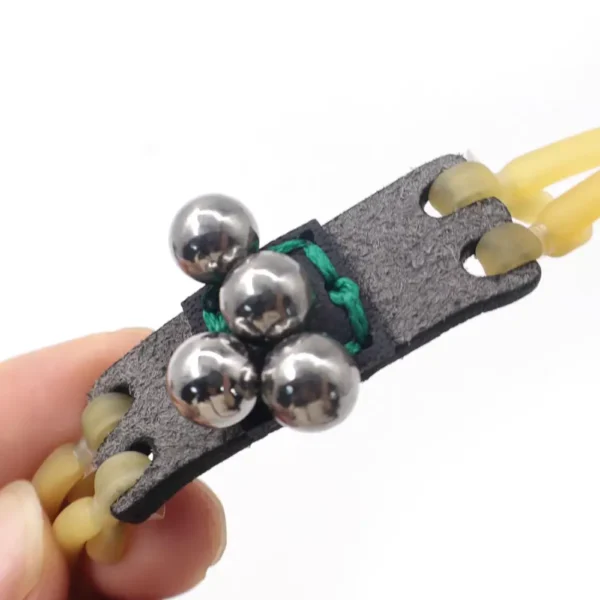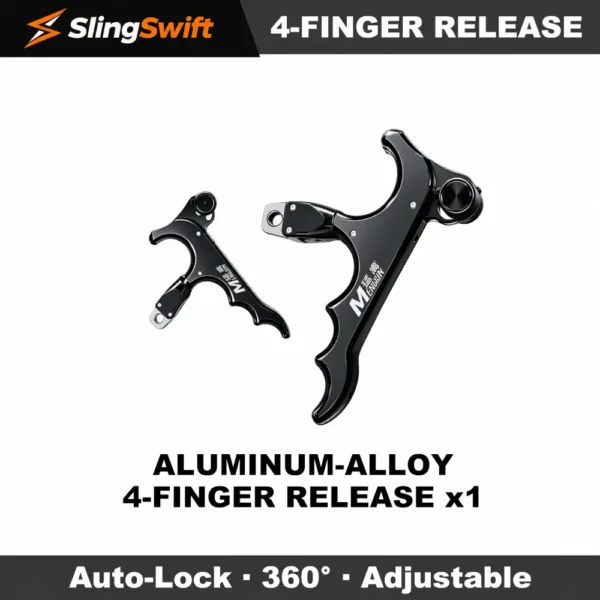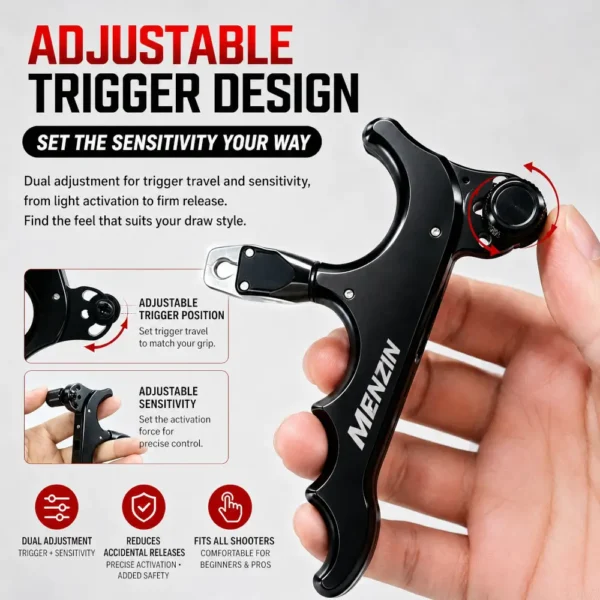
Short answer: an automatic slingshot stores a row of balls in a channel and feeds the next one with the trigger, while a traditional slingshot puts the ball in the pouch with your hand before every shot. If you want long strings of shots without breaking your stance, go automatic; if you want simplicity, open ammo choices, and a frame you can rebuild yourself, stay traditional. When auto-loading is the right call, all three SlingSwift models hold 11+1 balls in a visible magazine. The real choice comes down to frame and feel: the XIUZ V5 pair (aluminum or engineering nylon, otherwise identical) loads with a gun-style trigger, while the Mechanic Gen 8 loads with a button.
In our workshop, we set up, tune, and repair slingshots for customers every week, and the same question comes back in some form or other: is a trigger-driven frame actually better than the Y-fork I grew up with? The honest answer is that it depends on what you want out of a session, and after more than a decade of handling both formats we have a fairly firm opinion about which shooter should pick which.
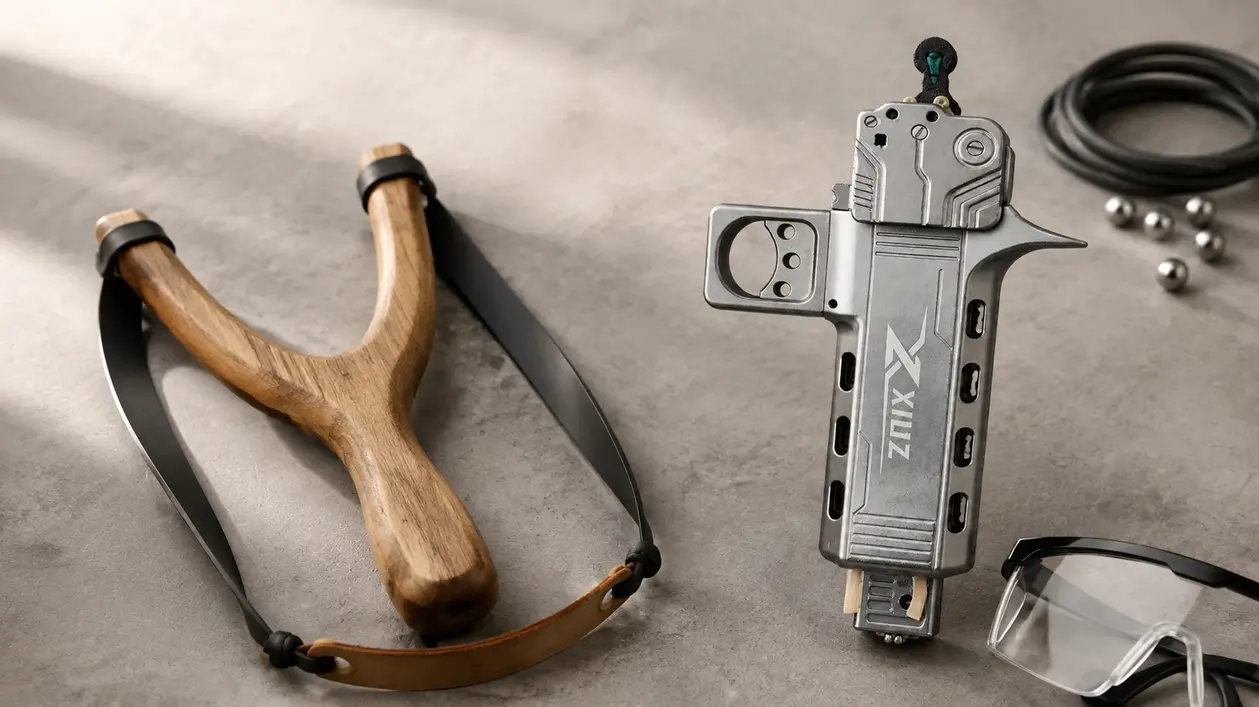
What counts as a traditional slingshot?
A traditional slingshot is the Y-shaped fork you already know: two elastic bands, a leather or synthetic pouch, and a pair of hands. One hand holds the fork, the other pinches the ball in the pouch, draws back, aims, and lets go. As the Wikipedia entry on slingshots puts it, the whole device is a way of storing energy in stretched elastic and handing it to a projectile. There is no separate loading mechanism because your hand is the loading mechanism.
“Traditional” covers a wide band of frames. You will see natural forked wood, cast and machined metals, wrist braces, flat bands, tube bands, and aftermarket sights and rests bolted on. That is why we tell customers the useful comparison is not “old versus new.” It is hand-fed versus mechanism-fed. A modern metal fork that you load by hand is still a traditional slingshot in everything that matters here.
Two small naming points before we go further, because they trip up a lot of searches:
- A sling – the shepherd’s sling of David and Goliath fame – is a cord with a pouch, a completely different device. If you landed on forum threads comparing slings to slingshots, you are reading about the wrong gadget.
- A wrist-braced frame is not a different format of slingshot. It just changes how you hold the fork.
What does “automatic” actually mean?
On an auto-loading slingshot, “automatic” describes the feeding step. The frame still launches the ball with elastic, and you still aim and release every shot yourself. It does not fire on its own, and it is not “fully automatic” in the sense that phrase is used for firearms. SlingSwift’s pages describe the sequence as load, trigger, aim, fire, with manually stretched bands as the only power source.
Our workshop checks the replacement band kit, the band pouch’s center, and the storage channel and fasteners on the auto-loading models before anything else. Band wear, an off-center pouch, and a loose feeder are the three problems that come through our bench most often, and none of them shows up as a dramatic failure. They show up as widening groups and a shot that feels different from the last one.
The closest familiar analogy is the old muzzleloader versus breechloader split. Both are loaded and fired by the shooter. What changes is where the loading happens and how much of it the hardware does for you. An auto-loading slingshot makes the same move: the part of the cycle your off hand used to do for every shot is now partly handled by a mechanism built into the frame.
How the mechanism works on SlingSwift’s models
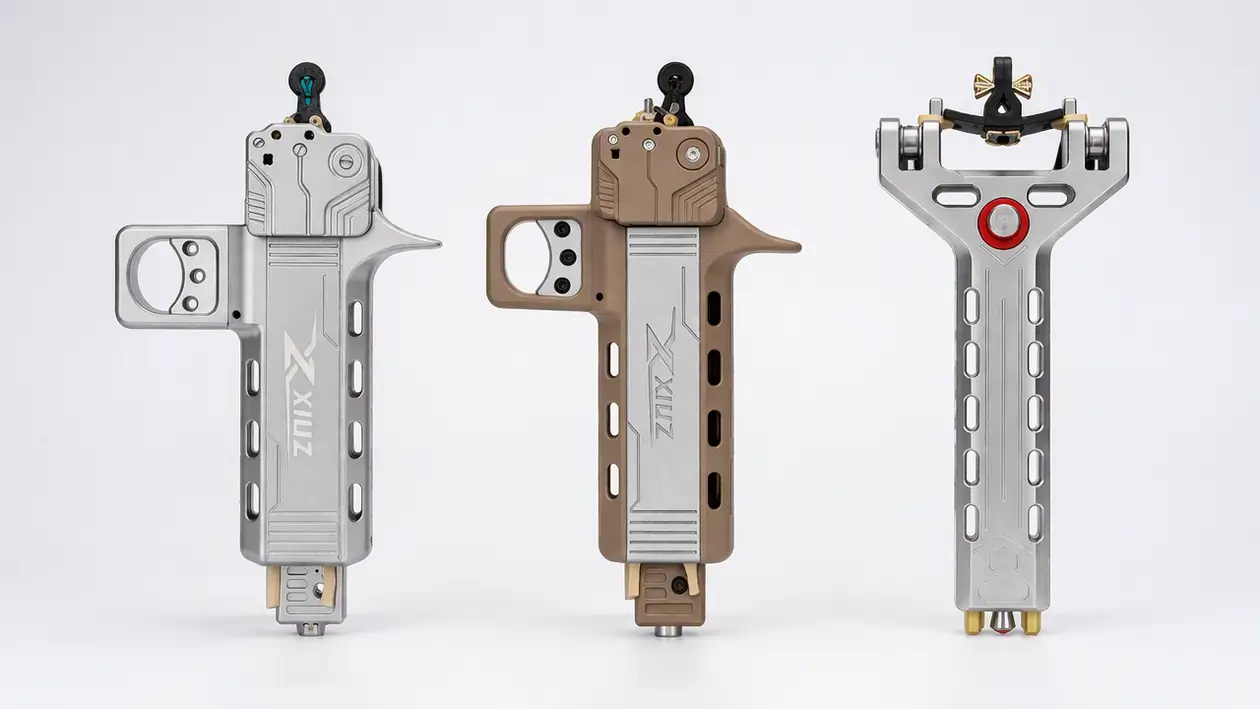
All three models share the same feeding idea and the same 11+1 loaded capacity, and all three show you the balls through a window. Two details separate them.
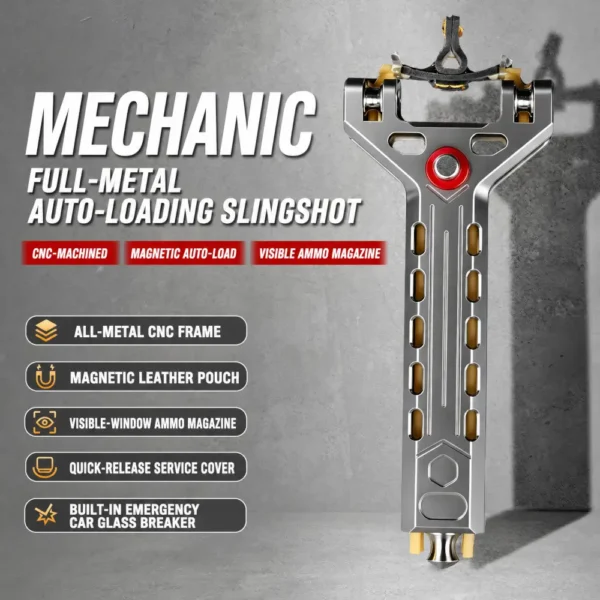
The trigger versus the button. The XIUZ V5 family is built around a trigger. Load it, then work the trigger and the next ball slides into the pouch, closely mimicking the feel of feeding a round on a gun. The Mechanic Gen 8 instead uses a push-button loading action combined with a pull handle. Both get a ball into the pouch; the difference is what your hand does and how it feels between shots. In our experience that is the choice most buyers end up caring about, because the feel of the loading action repeats on every single shot of a session.
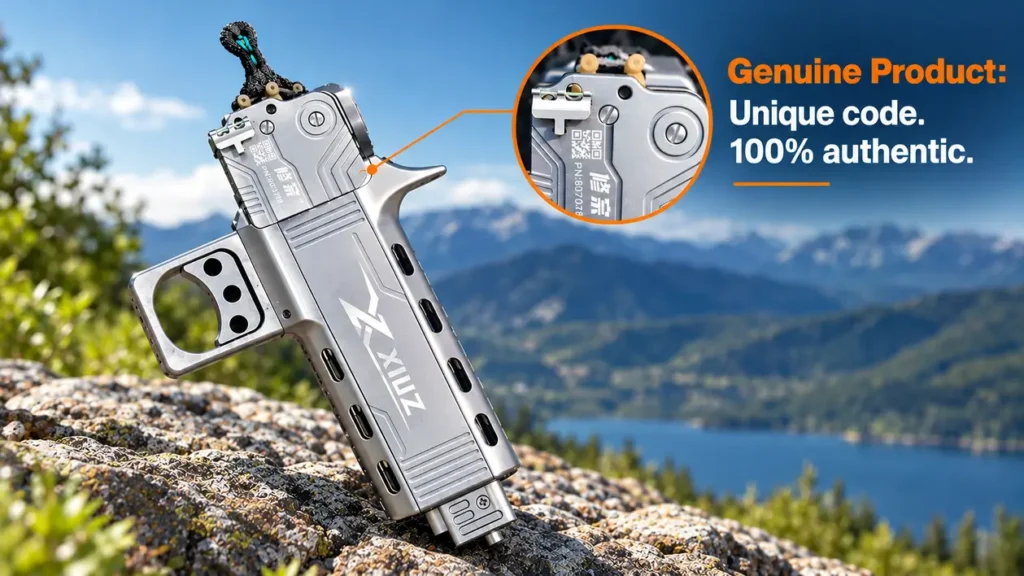
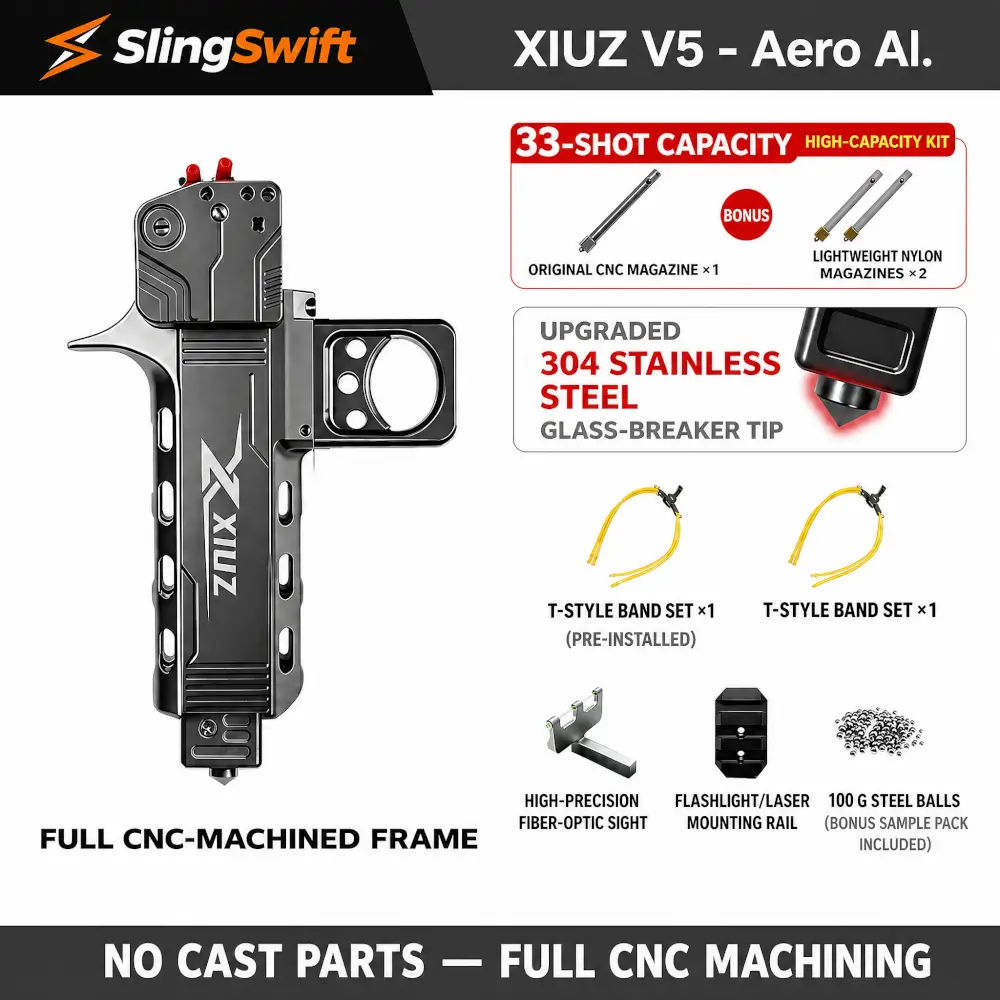
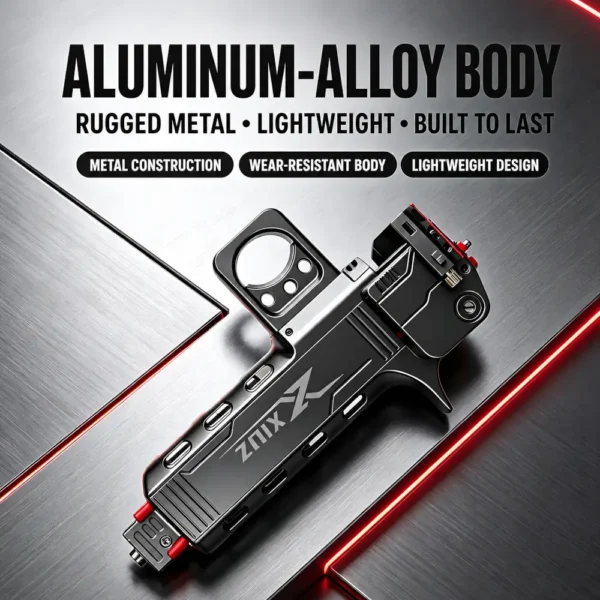
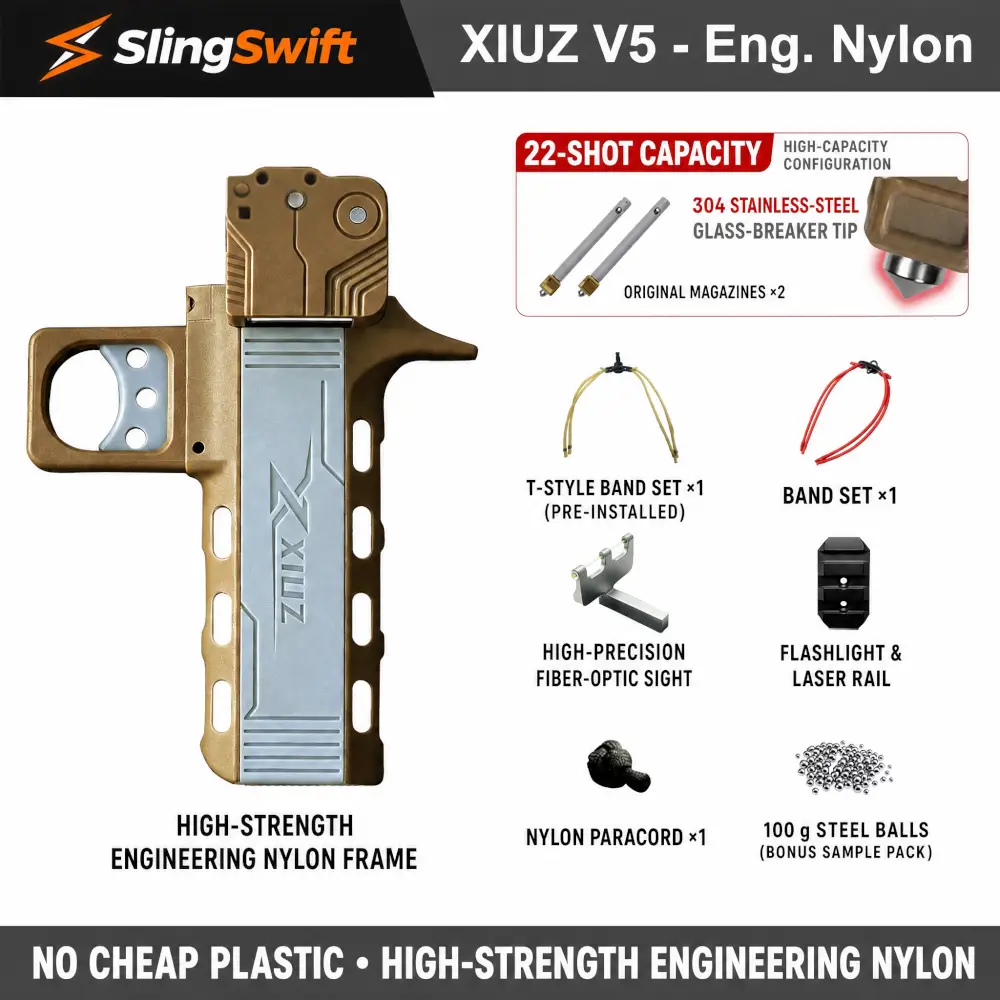
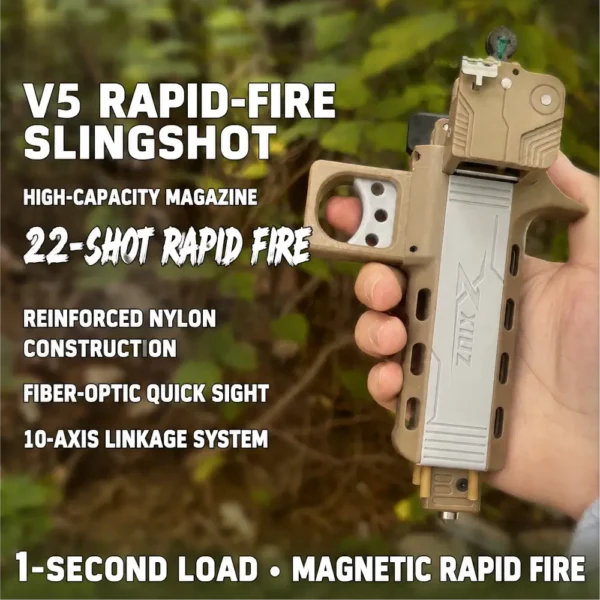
The material. The XIUZ V5 – Aero Al. and the XIUZ V5 – Eng. Nylon are the same slingshot in two builds. The Aero Al. starts as a 1,500 g aerospace-aluminum billet machined down to about 400 g. The Eng. Nylon uses a reinforced PA6 composite at a listed 224 g. Loaded capacity, visible window, trigger action, sight rail, and the way they shoot are the same; the difference is the frame material, the weight, and the feel in your hand.
- XIUZ V5 – Aero Al.: trigger feed, visible 11+1 magazine, anti-jam ball path, CNC aerospace-aluminum frame. SlingSwift describes reloads “up to 5x faster,” which is the brand’s own claim.
- XIUZ V5 – Eng. Nylon: the same trigger feed and 11+1 visible magazine in a 224 g reinforced-nylon frame, for shooters who want the lightest version of the same feel.
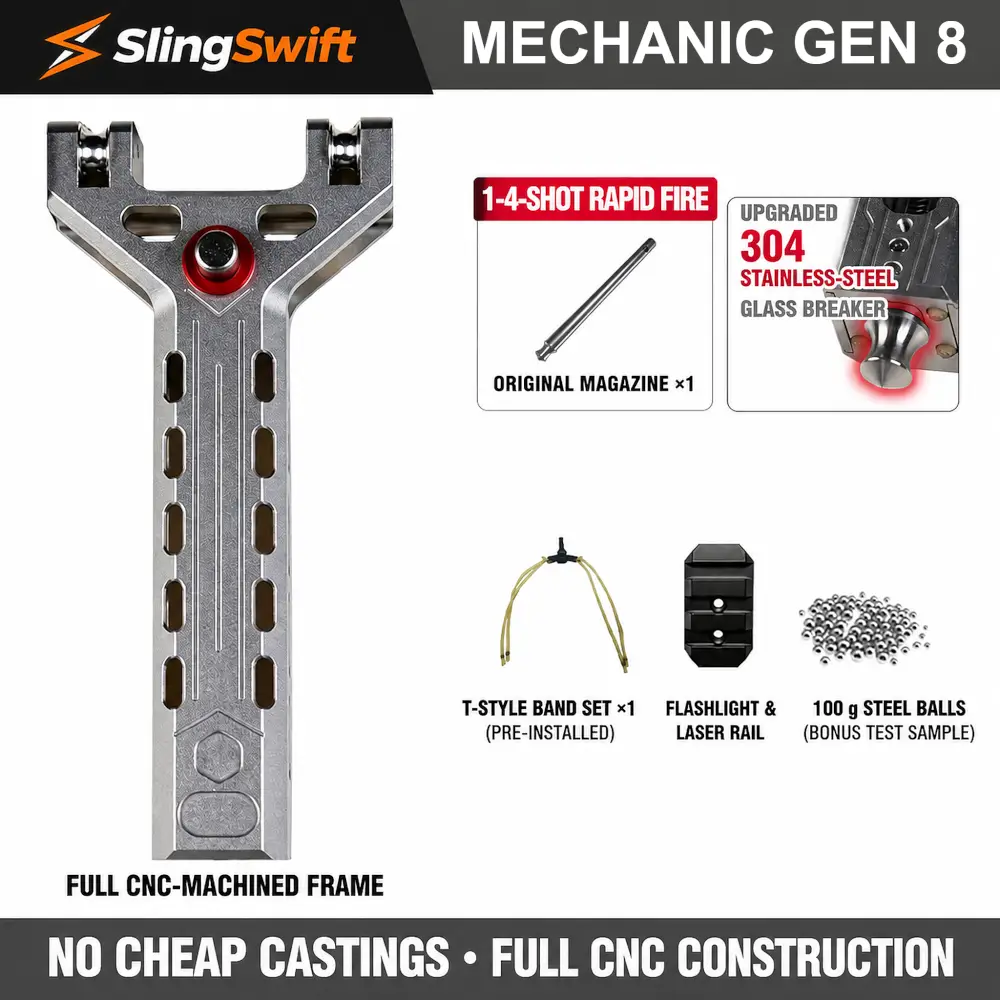
- Mechanic Gen 8: button loading with a pull handle and a magnetic leather pouch that centers the ball, in a one-piece CNC aluminum frame with a visible feeder.
The shared logic is simple. Load the magazine, then each trigger pull or button press seats the next ball. The bands do the launching, exactly as they do on a wooden fork.
Sights you can mount yourself
Every SlingSwift model ships with an accessory rail, and all three can take a sight you install yourself. That includes the fiber-optic front sight that comes in the box and compatible add-ons such as lasers. The Aero Al. page lists its rail as compatible with external lasers, flashlights, and other add-ons. If you have a particular sight in mind, check the rail and confirm fit with SlingSwift support before ordering, and follow the product instructions and your local rules when fitting and using accessories.
Automatic vs traditional at a glance
Here is the comparison we use when a customer stands at our bench trying to decide. Product facts come from SlingSwift’s three model pages and were checked on October 21, 2026.
| Feature | Traditional slingshot (typical) | XIUZ V5 – Aero Al. | XIUZ V5 – Eng. Nylon | Mechanic Gen 8 |
|---|---|---|---|---|
| How the ball reaches the pouch | Placed by hand, every shot | Trigger feed, anti-jam path | Trigger feed, same as Aero Al. | Button feed with pull handle |
| Listed capacity | One ball at a time | 11+1 | 11+1 | 11+1 |
| Visible ammo window | No | Yes | Yes | Yes |
| Frame material | Wood, metal, or polymer | CNC aerospace aluminum | Reinforced PA6 nylon | One-piece CNC aluminum |
| Listed weight | Varies | About 400 g | 224 g | Not stated in spec copy |
| Sight | Often none | Fiber-optic front sight on an accessory rail | Adjustable fiber-optic front sight on an accessory rail | Accessory rail; mount the sight you prefer |
| In the box | Frame and bands | Frame, 1 CNC + 2 nylon feeders, 2 band sets, sight, rail, steel tip, 100 g sample balls | Frame, 2 CNC feeders, 2 band sets, sight, rail, paracord, 100 g sample balls | Frame, 1 feeder, 1 band set, rail, steel tip, 100 g sample balls |
| Best fit | Tuners, tinkerers, first-timers | Capacity and metal-frame feel | Lightest long sessions | Visible ammo, one-touch loading |
Two rows deserve a closer look. Capacity is a tie: all three hold 11+1 and all three have a visible window, so nobody buys one of these for a higher round count. The rows that actually separate them are the loading action (trigger versus button) and the frame material and weight. And “in the box” is bigger than most shoppers expect: the V5 models arrive with multiple feeders and two band sets, so a chunk of the price is spares inventory you will actually use.
How a practice session changes
Most comparisons stop at “it reloads faster.” The real difference is the rhythm. We look at three things when a shooter tests both formats at our range: where their hands go between shots, where their eyes go, and how long the session lasts before they feel fatigue or run dry.
The loading step
On a traditional frame, each shot has a visible break: grab a ball, seat it in the pouch, draw, aim, release. That break is not a flaw. Plenty of good shooters use it to reset their stance and breathe. It does mean your pace is capped by how fast you can place a ball consistently without disturbing your grip.
On an auto-loading frame, the ball is already waiting in the visible magazine, so the loading step folds into the trigger or button action. The first time a shooter tries one, the reaction we hear most is surprise at how the draw stays unbroken. Whether that feels smooth in your hands depends on the frame, the band weight, and your own routine, which is why we always suggest shooting both before you commit.
The sight picture
A front sight is the quiet advantage of SlingSwift’s range. The XIUZ V5 models ship with a fiber-optic front sight, and every model has an accessory rail you can mount your own sight on, from a spare fiber-optic blade to a compatible laser. That freedom matters more than the feed mechanism because a repeated sight picture is where group size comes from. In our workshop, we recommend settling on one sight and one mounting position, then leaving it alone, because a scope that shifts between sessions quietly moves your group too. A release aid in archery makes exactly this point: it does not make the archer stronger, it makes the release repeatable. A consistent front sight does the same job for a slingshot.
Follow-up shots and session length
The follow-up shot is the easiest place to feel the difference. Because the next ball is already loaded, you can string shots together and keep a practice plan built around multiple shots per target position. That does not guarantee tighter groups, because group size still comes from your anchor and release, but it does let you run more repetitions in the same time, and repetition is what produces the anchor.
Sessions also end differently. With 11+1 loaded and a window to check, an auto-loading shooter sees the magazine run down and refills it in one motion; a traditional shooter spends the same time reaching for each ball. Our advice for planning either is the same: decide how many shots your session needs, then make the refill routine boring and predictable.
The differences that decide the purchase
Most comparison tables stop at the loading mechanism. These are the differences we see actually swing the decision.
Frame material and weight
Traditional frames range from light polymer to wood and machined metal. SlingSwift splits cleanly by material. The XIUZ V5 – Aero Al. starts as a 1,500 g aluminum billet and is machined down to about 400 g. The XIUZ V5 – Eng. Nylon uses reinforced PA6 nylon at a listed 224 g. The Mechanic Gen 8 uses a one-piece CNC aluminum frame with a skeletonized grip.
In practice, a lighter frame is easier to hold still over a long aiming settle, while a metal frame feels more planted and settles its own weight as you brace. We would not tell you one is better. We would tell you to match the frame to the length of your sessions. Shoot for 20 minutes at a time and the nylon frame disappears in your hand; shoot for repeated long holds or prefer a frame that does not move in gusts, and the aluminum models feel steadier.
Loading action and what comes in the box
With capacity tied at 11+1 across all three, the loading action is the real decision. The XIUZ V5 trigger is the one to pick if you want the loading step to feel like working a gun trigger, with the next ball appearing on the shot you were already about to take. The Mechanic Gen 8’s button is the one to pick if you prefer a distinct press, with the pull handle for the reset and a magnetic pouch that centers the ball. We have shot both styles and would not call either faster. We would say the trigger feels more natural to someone who grew up around trigger discipline, and the button is easier to teach to someone who has never held one.
Sights are the other place buyers personalize. Every model takes a rail-mounted sight, so plan for the sight you want, not just the one in the box.
Package contents matter for upkeep. The Aero Al. includes one CNC feeder plus two nylon feeders and two T-Style band sets. The Eng. Nylon includes two CNC feeders and two band sets. The Mechanic Gen 8 includes one feeder and one band set. Buyers planning long-term upkeep should weigh the spare components alongside the frame.
Complexity, maintenance, and replacement parts
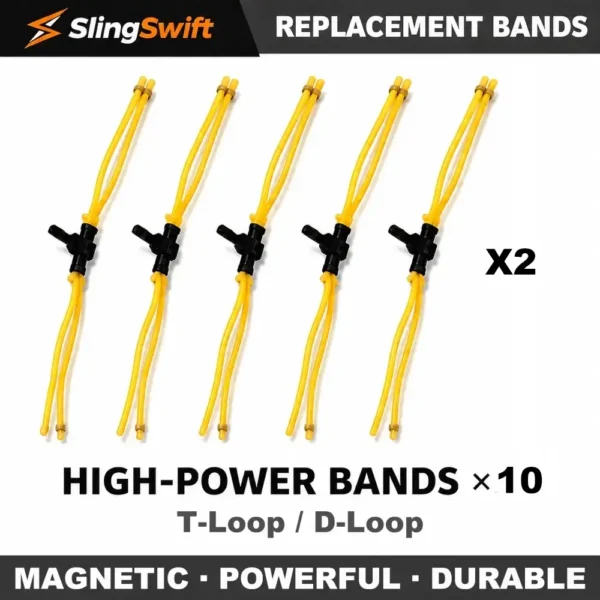
A traditional slingshot’s moving parts are the bands. When they go, you swap a band set. SlingSwift sells replacement slingshot bands in T-Loop and D-Loop versions, 10 sets to a kit, which keeps the maintenance rhythm close to what a traditional shooter knows.
An auto-loading frame keeps that band cycle and adds a feeder and channel to watch. Check the feeder, band fixtures, and fasteners before each session, as the product safety notes direct. The band swap itself is a job most owners do themselves in a few minutes once they have done it twice, which is why we recommend a spare band set in every range bag, whichever format you carry.
Ammo and band choices
This is where the traditional fork keeps its clearest lead. A traditional frame lets you change band material, band length, pouch, and ammo within a wide range, which is why hobbyists like building and tuning their own setups.
Auto-loading channels are built around compatible practice balls. The Mechanic Gen 8’s magnetic leather pouch is a good example of a part designed to center one kind of ball consistently. SlingSwift’s spec copy does not state a recommended ball diameter, so if you plan to shoot a specific ammo type, confirm the fit on the product page or with SlingSwift support before you buy rather than guessing.
Where a traditional slingshot still wins
A comparison that only praises the new format is not worth reading, so here is where the classic fork beats SlingSwift’s range.
- Simplicity. Fewer parts, fewer checks, fewer things to replace. Pick it up, shoot, put it away.
- Freedom to experiment. Any band material that fits the fork, any pouch that fits the bands, any ammo that fits the pouch. Trigger-style release aids like a 4-finger release can help a traditional shooter release more consistently, the same way an archery release aid does.
- Lower entry cost. A basic fork and a band set cost a fraction of a machined auto-loading frame.
- Custom builds. Traditional slingshot culture includes people who carve and tie their own frames, which no proprietary feed mechanism allows.
- The ritual. Some shooters genuinely like the deliberate loading motion between shots. If that is part of why you practice, a traditional slingshot is not a compromise; it is the point.
Which one should you buy?
Work down this list. The first line that sounds like you is your answer.
- Does reloading break your rhythm? If you want long strings of shots without resetting, buy an automatic slingshot. If you like the pause and reload by hand without thinking about it, a traditional fork is enough.
- Do you tune and swap constantly? If you experiment with bands, pouches, and ammo, a traditional frame should stay in your kit. On the auto-loading side, all three models take a band set you can replace yourself, and every model has a rail for the sight you choose.
- How long are your sessions? Long, repeated aiming settles favor the lightest frame, the XIUZ V5 – Eng. Nylon at a listed 224 g. A frame that feels planted in hand favors the aluminum models.
- Trigger or button? All three hold 11+1. Pick the XIUZ V5 pair for a gun-style trigger feed, available in aluminum (Aero Al.) or nylon (Eng. Nylon), or the Mechanic Gen 8 for a button feed on a one-piece aluminum frame.
- What sight do you want? Each model has an accessory rail. The XIUZ V5 models include a fiber-optic front sight, and the Mechanic Gen 8 leaves the rail open for the sight you mount.
- Are you unsure about ammo or accessory fit? Contact SlingSwift with the exact ball and accessory you plan to use before ordering, instead of assuming.
Reader profiles
These are illustrative scenarios from the kinds of customers we see, not real customer records.
- A weekend shooter who spends 20 minutes flipping between targets and likes a distinct press to feed: the Mechanic Gen 8, with its button feed and visible magazine, so refills are obvious.
- A shooter practicing outdoors for hours: the XIUZ V5 – Eng. Nylon, whose listed 224 g is the lightest in the range.
- A shooter who wants a gun-like trigger feed and a planted metal frame: the XIUZ V5 – Aero Al. with its trigger, visible 11+1 magazine, and CNC aerospace-aluminum frame.
- A tinkerer who enjoys tuning bands and trying different ammo: a traditional slingshot, or a D-Loop setup paired with the 4-finger release.
- Someone who wants to build their own sight setup: any of the three SlingSwift models, since all three carry an accessory rail.
If auto-loading is your answer, compare the XIUZ V5 – Aero Al. with the XIUZ V5 – Eng. Nylon and the Mechanic Gen 8. If you already own one and want to change something, start with the automatic slingshot accessories before adding a new frame.
Keeping either format safe and running
Band failure is a real risk on any band-powered slingshot, and a snap at the fork end can send the band back toward your face. Check bands for nicks and cracks before every session and retire worn sets early. Eye protection is non-negotiable. The American Academy of Ophthalmology notes that protective eyewear greatly reduces eye-injury risk, and ballistically rated eyewear is rated under the ANSI Z87.1 standard, with OSHA describing flying particles as a recognized workplace hazard. Our habit is the same on the bench and on the range: glasses on before a single ball leaves the channel or the pouch.
A safe backstop completes the setup. Check local rules where you live and practice, and follow the product instructions for your model.
FAQ
Is an automatic slingshot legal in the United States?
Rules vary by state, city, and setting, and some places restrict slingshots entirely. We cannot give legal advice. Check the current rules where you live and where you plan to practice before buying or transporting any slingshot.
Does an automatic slingshot fire by itself?
No. SlingSwift products run on manually stretched elastic bands. “Automatic” describes the feed: you load the 11+1 magazine, work the trigger or button to seat the next ball, aim, and release.
How many balls does an auto-loading slingshot hold?
All three SlingSwift models hold 11+1 balls, and all three have a visible magazine window so you can see how many are left.
Is an automatic slingshot harder to maintain than a traditional one?
It asks for a little more attention. Watch the feeder and channel and check fixtures and fasteners before each session, then replace worn bands on the same rhythm as any slingshot. SlingSwift sells replacement bands in 10-set kits, so the band cycle stays familiar.
What is the difference between the XIUZ V5 and the Mechanic Gen 8?
Both hold 11+1 and both have a visible magazine. The XIUZ V5 loads with a gun-style trigger, and the two V5 versions differ only in material: aerospace aluminum (Aero Al.) or reinforced nylon (Eng. Nylon). The Mechanic Gen 8 is a different design that loads with a button and a pull handle on a one-piece CNC aluminum frame.
Can I add my own sight?
Yes. Every SlingSwift model has an accessory rail, and all three can take a self-installed sight, including the fiber-optic front sight in the box and compatible add-ons such as lasers.
Can I put a trigger release on a traditional slingshot?
It depends on your band loop. SlingSwift describes its D-Loop replacement bands as pairing with the 4-finger release, so a D-Loop setup is the documented match. Confirm on the product pages before ordering.
Can I upgrade a traditional slingshot to auto-loading?
No. The feed mechanism is built into the frame of each model, so auto-loading is a choice of frame, not a bolt-on accessory. If you want it, start with one of SlingSwift’s three models and keep your fork for tuning and backup.
The bottom line
An automatic slingshot and a traditional slingshot launch a ball the same way. The difference is whether the next ball is waiting for you. Buy auto-loading if you want to spend more of a session shooting and less of it loading. All three SlingSwift models hold 11+1 in a visible magazine, so choose by feel: the XIUZ V5 – Aero Al. for a trigger feed on an aerospace-aluminum frame, the XIUZ V5 – Eng. Nylon for the same trigger and magazine at a listed 224 g, or the Mechanic Gen 8 for a button feed on a one-piece aluminum frame. All three take a rail-mounted sight you install yourself. Keep a traditional fork if you tune, build, and swap ammo, or if you simply enjoy the ritual. Most of our regulars end up with both, and it is the setup we would choose for a long-term kit.
Ready to compare? Browse SlingSwift’s automatic slingshots and check loading action, frame material, listed weight, and sight plans against the list above. If you have a question about fit, our contact page reaches the same team that runs the bench.
Last reviewed: October 21, 2026.